
Learn names through pictures
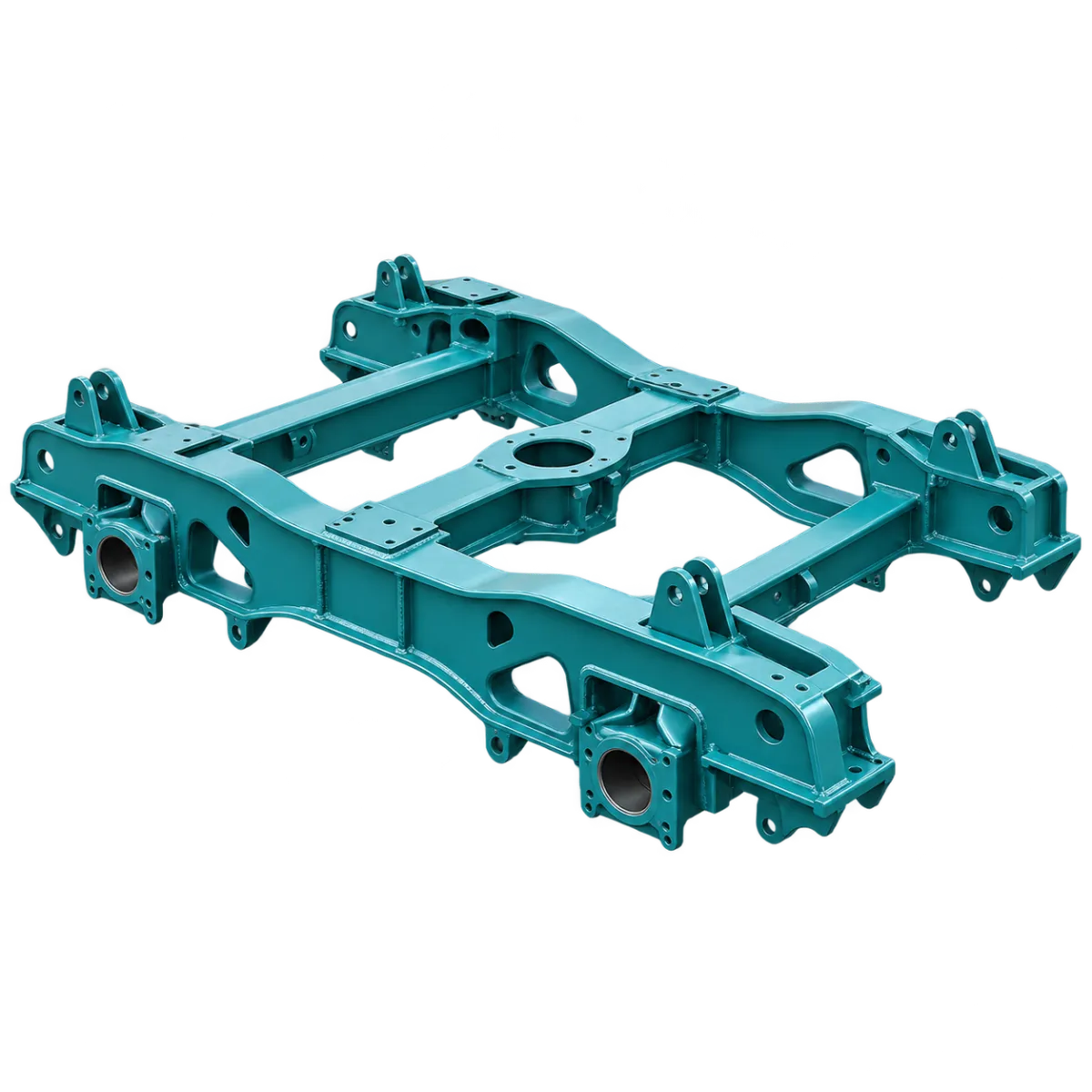
Rail vehicle structure name typing
Look at the pictures and type the names of rail vehicle structure.
Explore 16 names, one at a time.
rail vehicle structure typing guide →
About Rail vehicle structure name typing
Explore vocabulary below the train body and above its roof without reading a route map. These 16 representative electric-train components include structural frames, running assemblies and electrical equipment. Wheelset and Axlebox may be less familiar in writing than a whole train. Each illustration supplies the current label to copy, while gray surroundings explain the location of the teal selection.
Bogie frame, Wheelset and Axlebox lead to Primary suspension and Air spring. Traction motor, Traction gearbox, Brake disc and Brake caliper distinguish drive and braking parts. Pantograph, Automatic coupler, Carbody, Passenger door, Air compressor and Traction inverter broaden the list. The fixed sequence is a vocabulary route, not an assembly order for one vehicle model.
Primary suspension sits between the axlebox and bogie, whereas the air spring represents secondary suspension. A wheelset includes wheels and axle rather than one wheel alone. Brake disc is separate from Brake caliper; Traction motor is separate from its gearbox. Read modifiers such as primary and traction rather than replacing the label with a general system name.
The single-arm pantograph, central passenger coupler and inverter cutaway are representative examples. The entire list does not describe mutually compatible parts from one train. Illustrations establish no dimensions, electrical connections, servicing sequence or operational condition. Use the gray placement context to read names, and keep this structural vocabulary distinct from subway routes and operating data.
The first nonempty input for Bogie frame starts the timer. When Wheelset or another new label appears, read its picture and complete name before continuing. A matching answer advances without Enter, and unfinished text can be edited in place. Enter on an incorrect nonempty answer adds one error and clears that attempt. After Traction inverter, review time, keystrokes per minute and errors; the best time stays in this browser by topic, set and language.
How to play
- Open the basic 16 rail vehicle structure names and read the first label, Bogie frame, with its selected area.
- Copy a complete label such as Wheelset, or an alternative registered for that particular entry.
- A matched rail vehicle structure name advances automatically; pause to read the new illustration before continuing.
- Edit an unfinished Bogie frame answer directly. Enter on incorrect nonempty text counts one error and clears the field.
- Finish at Traction inverter, review the statistics and retry the same 16-name sequence as a new round.
Who is it for?
- Readers beginning rail vehicle structure vocabulary who want a visible name such as Bogie frame beside a picture.
- Learners comparing the complete spelling and scope of longer labels such as Wheelset.
- Classes or study partners using a fixed sequence of 16 rail vehicle structure names for a short typing activity.
- People who prefer to reach Traction inverter at their own pace and compare personal time and errors on a retry.
Practice sets
- Basic 16 · 16 names
Copy 16 representative names in order from Bogie frame to Traction inverter, comparing the spelling and selected range of terms such as Wheelset.
Names and spelling
Primary suspension sits between the axlebox and bogie, whereas the air spring represents secondary suspension. A wheelset includes wheels and axle rather than one wheel alone. Brake disc is separate from Brake caliper; Traction motor is separate from its gearbox. Read modifiers such as primary and traction rather than replacing the label with a general system name.
The actual display list is Bogie frame · Wheelset · Axlebox · Primary suspension · Air spring · Anti-roll bar · Traction motor · Traction gearbox · Brake disc · Brake caliper · Pantograph · Automatic coupler · Carbody · Passenger door · Air compressor · Traction inverter. Each label is an independent entry; a containing structure does not automatically answer for its parts. Use the current-language display name or a specifically registered alternative. The game does not infer arbitrary synonyms, abbreviations or translations. Letter case, spaces and supported punctuation are normalized; Latin accent marks can be omitted and ß can be entered as ss, without changing meaningful word order or numbers.
The single-arm pantograph, central passenger coupler and inverter cutaway are representative examples. The entire list does not describe mutually compatible parts from one train.
Practice tips
- Primary suspension sits between the axlebox and bogie, whereas the air spring represents secondary suspension.
- A wheelset includes wheels and axle rather than one wheel alone.
- Brake disc is separate from Brake caliper; Traction motor is separate from its gearbox.
- Read modifiers such as primary and traction rather than replacing the label with a general system name.
- Copy a complete label such as Wheelset, or an alternative registered for that particular entry.
- Finish at Traction inverter, review the statistics and retry the same 16-name sequence as a new round.
Frequently asked questions
Which rail vehicle structure names can I practice?
Explore vocabulary below the train body and above its roof without reading a route map. These 16 representative electric-train components include structural frames, running assemblies and electrical equipment.
What does the list from Bogie frame to Traction inverter cover?
Bogie frame, Wheelset and Axlebox lead to Primary suspension and Air spring. Traction motor, Traction gearbox, Brake disc and Brake caliper distinguish drive and braking parts.
What distinctions matter when reading Wheelset and related names?
Primary suspension sits between the axlebox and bogie, whereas the air spring represents secondary suspension. A wheelset includes wheels and axle rather than one wheel alone. Brake disc is separate from Brake caliper; Traction motor is separate from its gearbox.
What are the limits of the rail vehicle structure illustrations?
Illustrations establish no dimensions, electrical connections, servicing sequence or operational condition. Use the gray placement context to read names, and keep this structural vocabulary distinct from subway routes and operating data.
Which written answers work in the rail vehicle structure set?
Use the current-language display name or a specifically registered alternative. The game does not infer arbitrary synonyms, abbreviations or translations. Letter case, spaces and supported punctuation are normalized; Latin accent marks can be omitted and ß can be entered as ss, without changing meaningful word order or numbers.
Where is my result after Traction inverter stored?
Enter on an incorrect nonempty answer adds one error and clears that attempt. After Traction inverter, review time, keystrokes per minute and errors; the best time stays in this browser by topic, set and language.
The single-arm pantograph, central passenger coupler and inverter cutaway are representative examples. The entire list does not describe mutually compatible parts from one train. Illustrations establish no dimensions, electrical connections, servicing sequence or operational condition. Use the gray placement context to read names, and keep this structural vocabulary distinct from subway routes and operating data.