
Fruit and vegetable name typing — Vegetables · 20
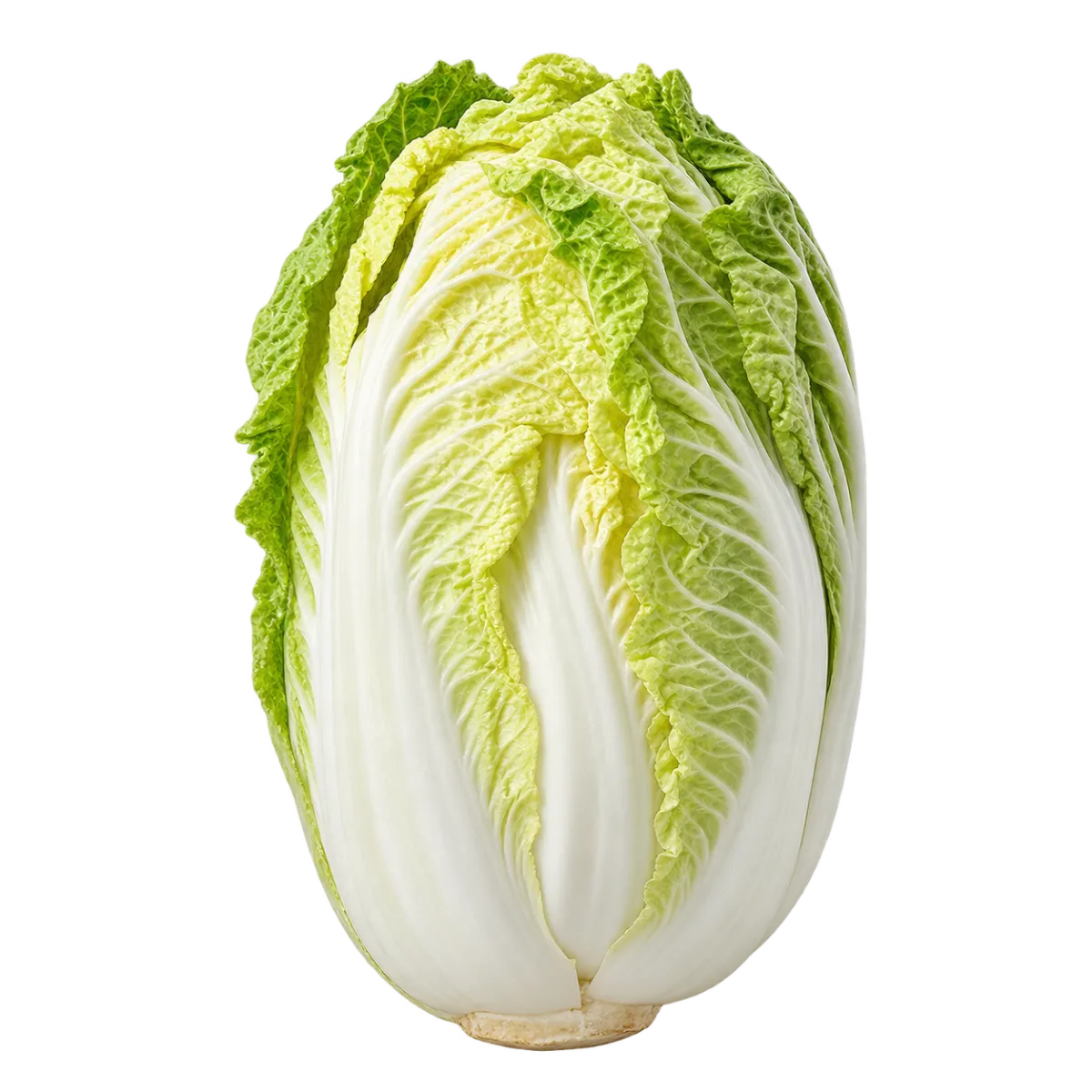
Napa cabbage
Type the displayed name or a registered alternative to advance automatically.
You typed every name
Set complete!
New best time!
fruit and vegetables typing guide →
Vegetables · 20 name list
- Napa cabbage
- Cabbage
- Radish
- Carrot
- Potato
- Sweet potato
- Onion
- Welsh onion
- Garlic
- Cucumber
- Korean zucchini
- Eggplant
- Tomato
- Chili pepper
- Bell pepper
- Spinach
- Broccoli
- Corn
- Soybean sprout
- Lotus root
Follow 20 names in fruit and vegetables Vegetables · 20, from Napa cabbage to Lotus root, in the source’s fixed order. Read examples such as Potato beside their pictures and practice registered alternatives as well as the full displayed labels. Compare a flattened Mandarin and a peeled segment with a round Orange and its thick white rind in section. Napa cabbage has an elongated head with broad white ribs, while Cabbage forms a round compact head. Korean melon has yellow skin and white stripes; Melon has a netted surface. Persimmon has a broad four-part calyx, unlike the narrow star on Tomato. Cultivar and ripeness change colors and size, so the chosen illustration is a representative food form. The sets follow everyday food use. Tomato is in vegetables because of culinary use, separate from the botanical meaning of fruit. Pear depicts an Asian pear; the squash is aehobak. The first nonempty input for Napa cabbage starts the timer. A matching answer advances without Enter, so read longer labels such as Potato completely before continuing. You can edit unfinished text directly. Enter on an incorrect nonempty answer adds one error and clears that attempt; empty Enter and Enter during input-method composition do not add errors. After the set’s final label, such as Lotus root, review time, keystrokes per minute and errors, then retry the same sequence. Best times stay in this browser, separated by topic, set and language.
The sets follow everyday food use. Tomato is in vegetables because of culinary use, separate from the botanical meaning of fruit. Pear depicts an Asian pear; the squash is aehobak.