
Learn names through pictures
Fruit and vegetable name typing
Look at the pictures and type the names of fruit and vegetables.
Explore 40 names, one at a time.
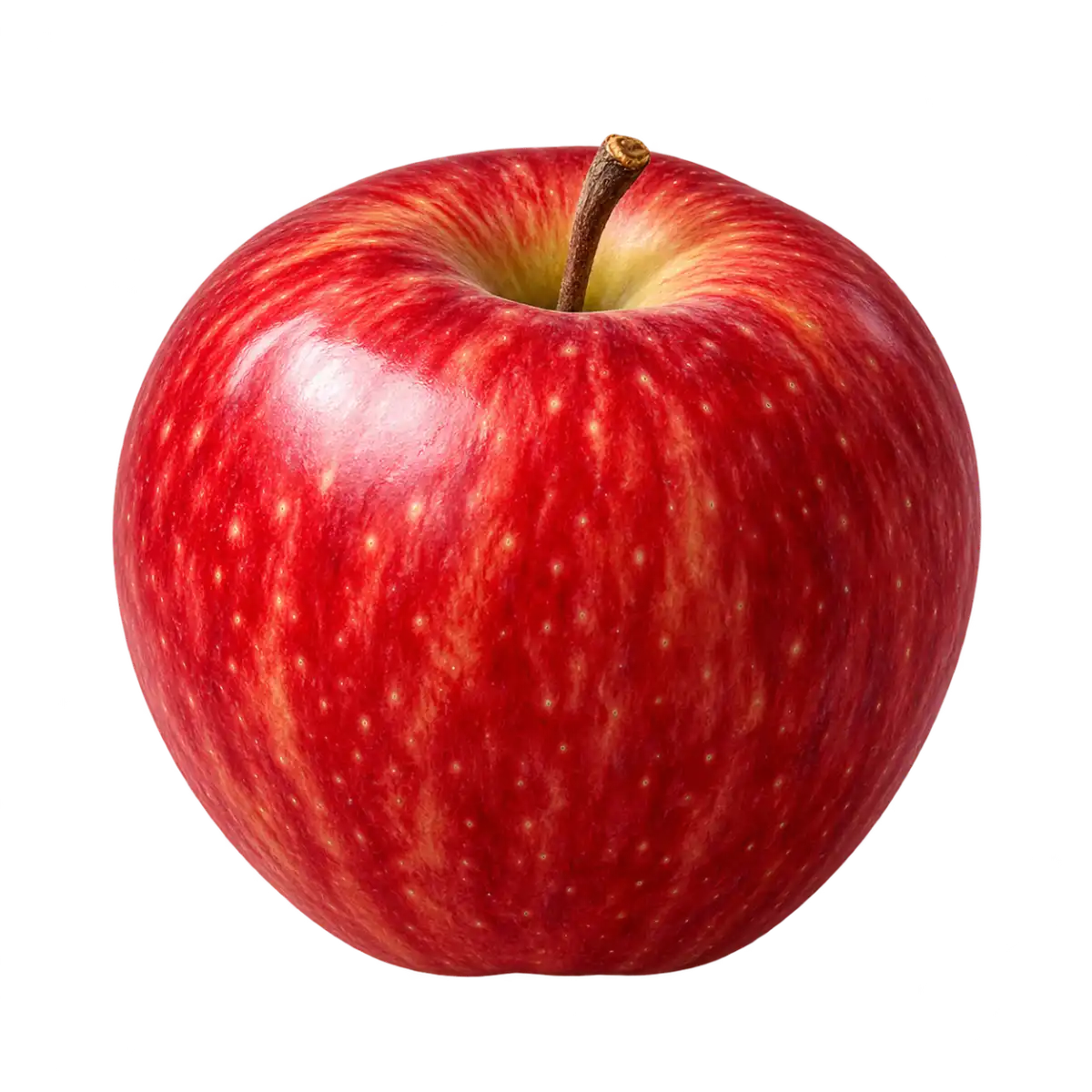 Fruit · 2020 names · Read and type the name
20
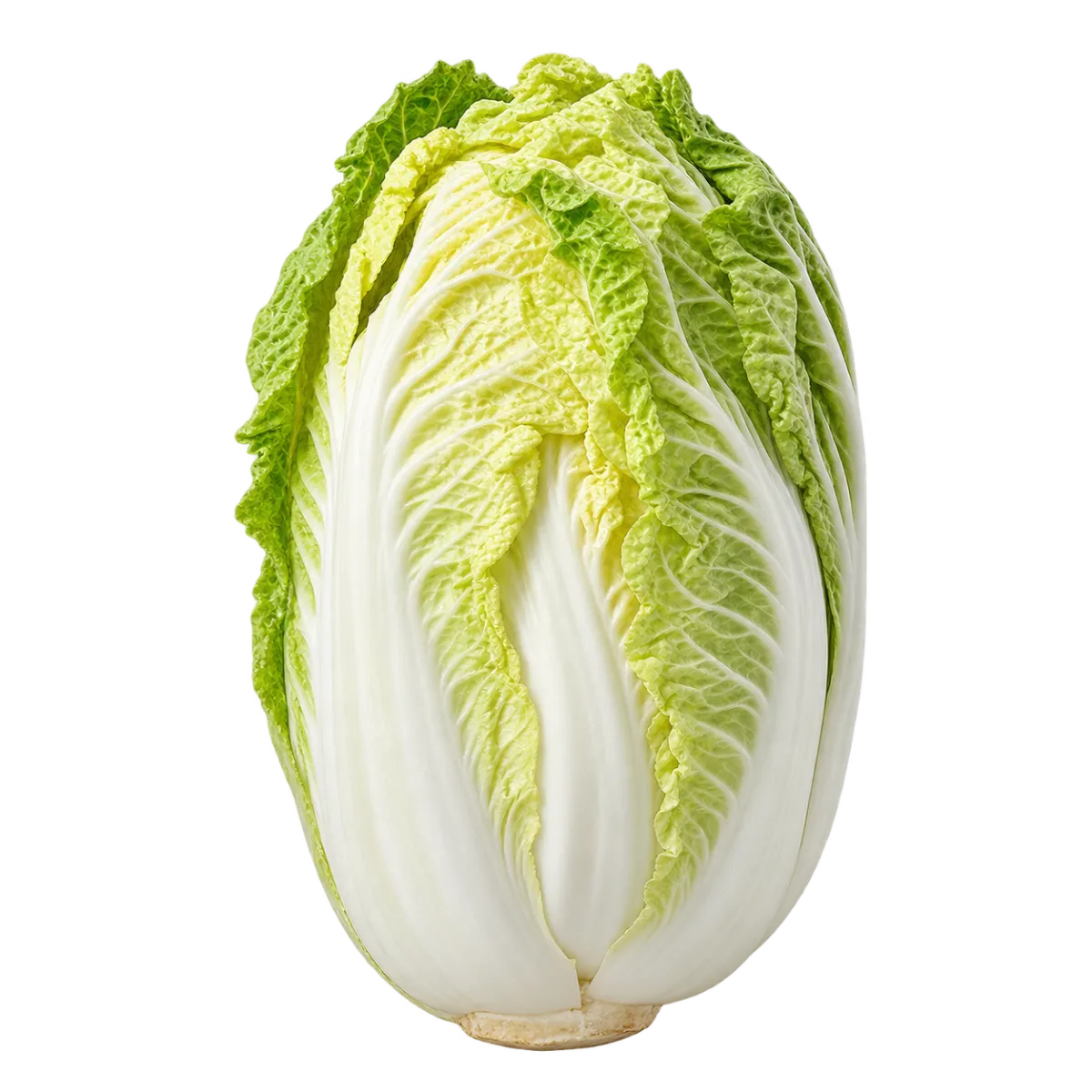 Vegetables · 2020 names · Read and type the name
20
fruit and vegetables typing guide →
About Fruit and vegetable name typing
Fruit and vegetable vocabulary follows the everyday names used at markets and meals. Read Apple beside a smooth red peel and Asian pear beside a russet, speckled surface. A complete name remains visible with each illustration, allowing you to practice an unfamiliar ingredient without guessing its label. Shapes, cut surfaces and leaf veins give useful visual cues while the activity focuses on typing food names.
There are two independent sets: 20 fruits from Apple to Pomegranate and 20 vegetables from Napa cabbage to Lotus root. Tomato belongs to the vegetable set because the list follows culinary use; this does not change its botanical status as a fruit. Pear is represented by an Asian pear, the Korean squash by aehobak and Melon by a netted form. Mushrooms have a separate topic and are outside these two lists.
Compare a flattened Mandarin and a peeled segment with a round Orange and its thick white rind in section. Napa cabbage has an elongated head with broad white ribs, while Cabbage forms a round compact head. Korean melon has yellow skin and white stripes; Melon has a netted surface. Persimmon has a broad four-part calyx, unlike the narrow star on Tomato. Cultivar and ripeness change colors and size, so the chosen illustration is a representative food form.
Displayed fruit and vegetables names include Apple · Asian pear · Peach · Grape · Mandarin · Orange · Lemon · Banana · Strawberry · Watermelon · Korean melon · Melon · Kiwi · Pineapple · Mango · Persimmon · Cherry · Blueberry · Plum · Pomegranate · Napa cabbage · Cabbage · Radish · Carrot · Potato · Sweet potato · Onion · Welsh onion · Garlic · Cucumber · Korean zucchini · Eggplant · Tomato · Chili pepper · Bell pepper · Spinach · Broccoli · Corn · Soybean sprout · Lotus root. Only the current-language label and alternatives registered for that entry are answers; the game does not infer arbitrary translations or synonyms. Japanese hiragana and the displayed Chinese toneless pinyin are also accepted. Case, spaces and supported punctuation are normalized. Latin accents may be omitted and German ß may be typed as ss, while meaningful name differences and numbers remain distinct.
The first nonempty input for Apple starts the timer. A matching answer advances without Enter, so read longer labels such as Mandarin completely before continuing. You can edit unfinished text directly. Enter on an incorrect nonempty answer adds one error and clears that attempt; empty Enter and Enter during input-method composition do not add errors. After the set’s final label, such as Lotus root, review time, keystrokes per minute and errors, then retry the same sequence. Best times stay in this browser, separated by topic, set and language.
How to play
- Choose a fruit and vegetables set and read the first picture together with its visible label, such as Apple.
- Copy a complete label such as Mandarin, or use an alternative registered for that entry.
- A matching fruit and vegetables name advances automatically. Read the next illustration and name before typing again.
- Edit unfinished text for Apple directly; Enter on an incorrect nonempty attempt adds one error and clears the field.
- Reach the final entry, such as Lotus root, review the statistics and retry the same fixed sequence.
Who is it for?
- Beginners who want a visible label such as Apple beside a fruit and vegetables picture.
- Readers practicing complete spellings and longer labels such as Mandarin at their own pace.
- Classes or study partners dividing 40 fruit and vegetables names into short fixed-order typing sessions.
- People who want to finish at Lotus root and compare their own time and errors on a retry.
Practice sets
- Fruit · 20 · 20 names
Follow 20 names in fruit and vegetables Fruit · 20, from Apple to Pomegranate, in the source’s fixed order. Read examples such as Mandarin beside their pictures and practice registered alternatives as well as the full displayed labels.
- Vegetables · 20 · 20 names
Follow 20 names in fruit and vegetables Vegetables · 20, from Napa cabbage to Lotus root, in the source’s fixed order. Read examples such as Potato beside their pictures and practice registered alternatives as well as the full displayed labels.
Names and spelling
Compare a flattened Mandarin and a peeled segment with a round Orange and its thick white rind in section. Napa cabbage has an elongated head with broad white ribs, while Cabbage forms a round compact head. Korean melon has yellow skin and white stripes; Melon has a netted surface. Persimmon has a broad four-part calyx, unlike the narrow star on Tomato. Cultivar and ripeness change colors and size, so the chosen illustration is a representative food form.
Displayed fruit and vegetables names include Apple · Asian pear · Peach · Grape · Mandarin · Orange · Lemon · Banana · Strawberry · Watermelon · Korean melon · Melon · Kiwi · Pineapple · Mango · Persimmon · Cherry · Blueberry · Plum · Pomegranate · Napa cabbage · Cabbage · Radish · Carrot · Potato · Sweet potato · Onion · Welsh onion · Garlic · Cucumber · Korean zucchini · Eggplant · Tomato · Chili pepper · Bell pepper · Spinach · Broccoli · Corn · Soybean sprout · Lotus root. Only the current-language label and alternatives registered for that entry are answers; the game does not infer arbitrary translations or synonyms. Japanese hiragana and the displayed Chinese toneless pinyin are also accepted. Case, spaces and supported punctuation are normalized. Latin accents may be omitted and German ß may be typed as ss, while meaningful name differences and numbers remain distinct.
The sets follow everyday food use. Tomato is in vegetables because of culinary use, separate from the botanical meaning of fruit. Pear depicts an Asian pear; the squash is aehobak.
Practice tips
- Compare a flattened Mandarin and a peeled segment with a round Orange and its thick white rind in section.
- Napa cabbage has an elongated head with broad white ribs, while Cabbage forms a round compact head.
- Korean melon has yellow skin and white stripes; Melon has a netted surface.
- Persimmon has a broad four-part calyx, unlike the narrow star on Tomato.
- Copy a complete label such as Mandarin, or use an alternative registered for that entry.
- Reach the final entry, such as Lotus root, review the statistics and retry the same fixed sequence.
Frequently asked questions
Which fruit and vegetables names can I practice?
Fruit and vegetable vocabulary follows the everyday names used at markets and meals. Read Apple beside a smooth red peel and Asian pear beside a russet, speckled surface. A complete name remains visible with each illustration, allowing you to practice an unfamiliar ingredient without guessing its label. Shapes, cut surfaces and leaf veins give useful visual cues while the activity focuses on typing food names.
What does the range from Apple to Lotus root cover?
There are two independent sets: 20 fruits from Apple to Pomegranate and 20 vegetables from Napa cabbage to Lotus root. Tomato belongs to the vegetable set because the list follows culinary use; this does not change its botanical status as a fruit. Pear is represented by an Asian pear, the Korean squash by aehobak and Melon by a netted form. Mushrooms have a separate topic and are outside these two lists.
How can I compare Mandarin with similar names?
Compare a flattened Mandarin and a peeled segment with a round Orange and its thick white rind in section. Napa cabbage has an elongated head with broad white ribs, while Cabbage forms a round compact head. Korean melon has yellow skin and white stripes; Melon has a netted surface. Persimmon has a broad four-part calyx, unlike the narrow star on Tomato. Cultivar and ripeness change colors and size, so the chosen illustration is a representative food form.
What are the limits of the fruit and vegetables illustrations?
The sets follow everyday food use. Tomato is in vegetables because of culinary use, separate from the botanical meaning of fruit. Pear depicts an Asian pear; the squash is aehobak.
Which spellings and readings work for fruit and vegetables?
Displayed fruit and vegetables names include Apple · Asian pear · Peach · Grape · Mandarin · Orange · Lemon · Banana · Strawberry · Watermelon · Korean melon · Melon · Kiwi · Pineapple · Mango · Persimmon · Cherry · Blueberry · Plum · Pomegranate · Napa cabbage · Cabbage · Radish · Carrot · Potato · Sweet potato · Onion · Welsh onion · Garlic · Cucumber · Korean zucchini · Eggplant · Tomato · Chili pepper · Bell pepper · Spinach · Broccoli · Corn · Soybean sprout · Lotus root. Only the current-language label and alternatives registered for that entry are answers; the game does not infer arbitrary translations or synonyms. Japanese hiragana and the displayed Chinese toneless pinyin are also accepted. Case, spaces and supported punctuation are normalized. Latin accents may be omitted and German ß may be typed as ss, while meaningful name differences and numbers remain distinct.
Where is my result after Lotus root stored?
The first nonempty input for Apple starts the timer. A matching answer advances without Enter, so read longer labels such as Mandarin completely before continuing. You can edit unfinished text directly. Enter on an incorrect nonempty answer adds one error and clears that attempt; empty Enter and Enter during input-method composition do not add errors. After the set’s final label, such as Lotus root, review time, keystrokes per minute and errors, then retry the same sequence. Best times stay in this browser, separated by topic, set and language.
The sets follow everyday food use. Tomato is in vegetables because of culinary use, separate from the botanical meaning of fruit. Pear depicts an Asian pear; the squash is aehobak.