
Learn names through pictures
Flag name typing
Look at the pictures and type the names of flags.
Explore 195 names, one at a time.
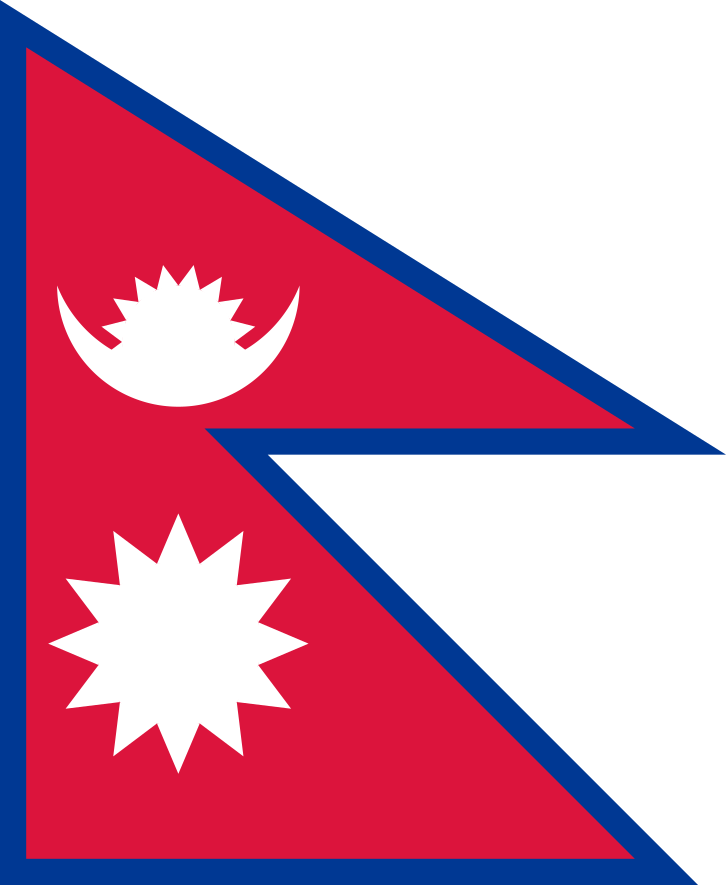 Asia48 names · Read and type the name
48
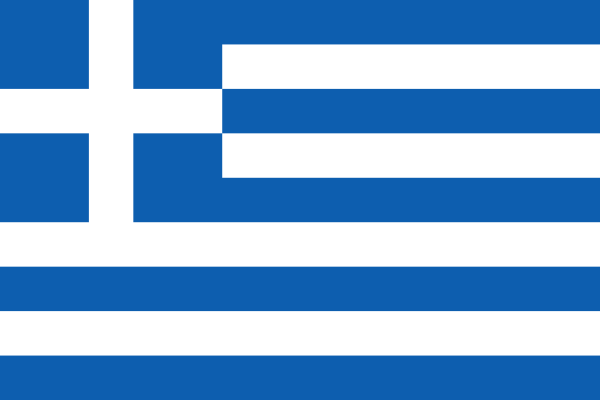 Europe44 names · Read and type the name
44
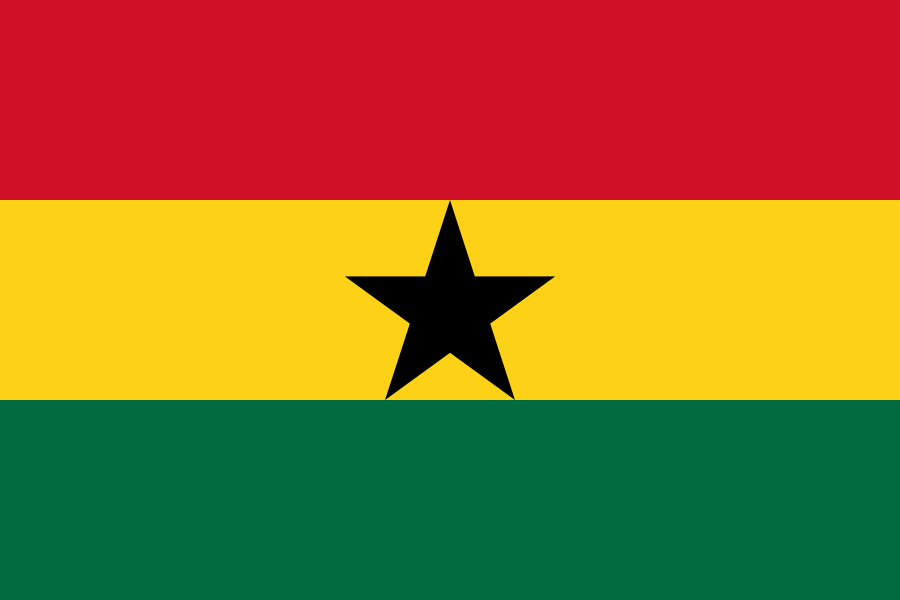 Africa54 names · Read and type the name
54
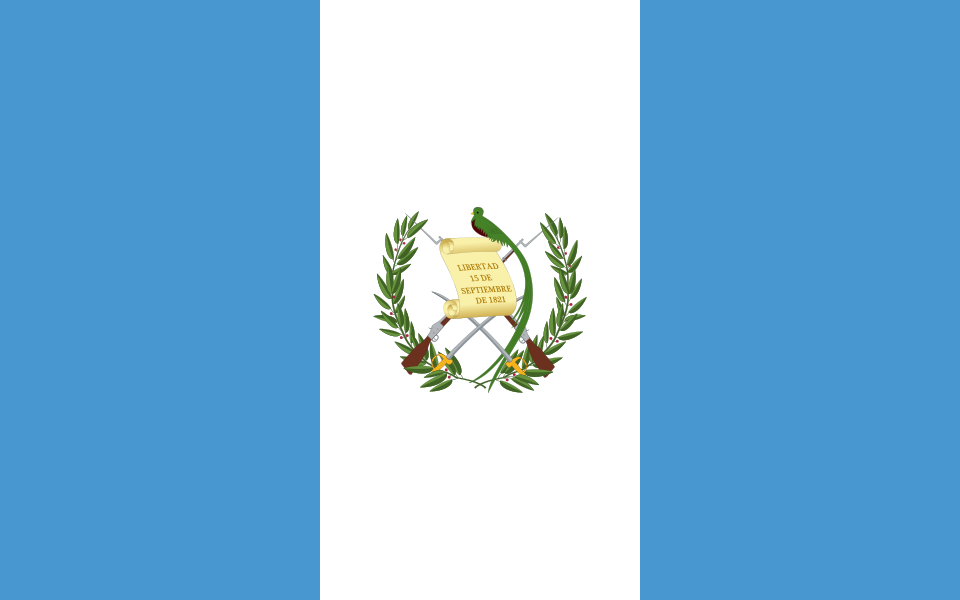 North America23 names · Read and type the name
23
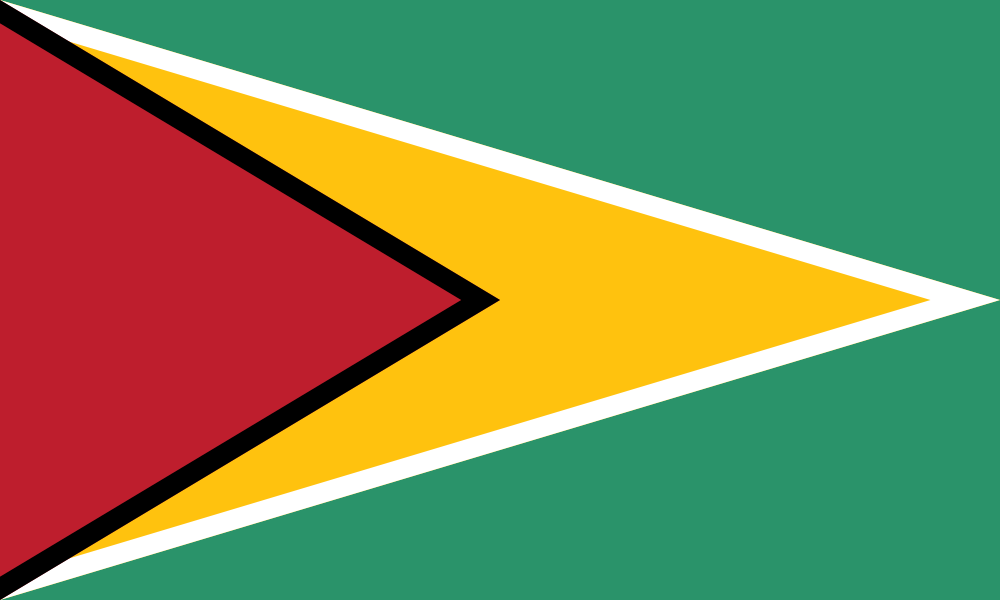 South America12 names · Read and type the name
12
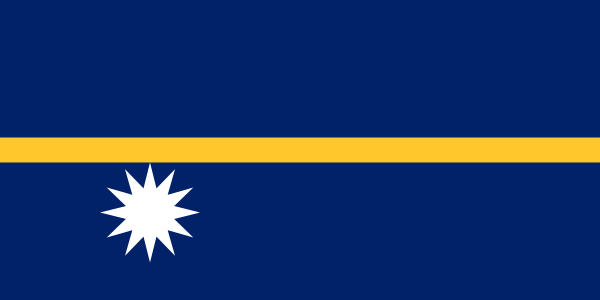 Oceania14 names · Read and type the name
14
About Flag name typing
Flag name typing shows each national flag together with its country name. Read the visible label and copy it into the field, even if the flag is unfamiliar. Nepal’s outline and the square flags of Switzerland and Vatican City make useful comparisons with rectangular designs. The name remains visible throughout the entry, so you can connect a picture with a written word without memorizing a flag collection first.
The scope is 193 UN member states plus the two non-member observers, Vatican City and Palestine: 195 countries in total. The six sets contain 48 in Asia, 44 in Europe, 54 in Africa, 23 in North America, 12 in South America and 14 in Oceania. Every country appears in one continental set. Additional territories, the UK’s constituent areas and the Antarctic reference symbol are excluded. Check the list under each round for its exact scope.
Similar colours provide a reason to read the whole label. Indonesia and Monaco both use red over white but have different original proportions. Romania and Chad share a blue, yellow and red vertical arrangement. Ireland places green first, while Ivory Coast places orange first. The Netherlands and Luxembourg use horizontal tricolours with different blues and proportions. Compare these features alongside the names; a screen rendering is not a legal specification of flag colours.
Continents follow a project classification based on UN M49 and do not imply political recognition. Russia is placed in Europe, Türkiye and Cyprus in Asia, and Egypt in Africa. Flags retain the source SVG proportions. Afghanistan uses the source’s international tricolour variant, which differs from the local white flag. Syria uses green, white and black bands with three red stars. These choices describe the supplied artwork rather than every flag used in every setting.
The timer starts with your first nonempty input. A matching displayed name or registered alternative advances automatically, without Enter. You can edit an unfinished answer; Enter on a wrong nonempty answer counts one error and clears the field. Empty Enter and composing Enter do not add errors. After the last country, review time, keystrokes per minute and errors. Best times stay in this browser separately by topic, set and language, so different answer lengths can affect comparisons.
How to play
- Choose a continent and read its count and country list. South America has 12 entries and Oceania has 14, making them short starting points.
- Look at the flag and the large current country name. The previous and next labels provide context; enter the name in the centre.
- Type the displayed English name or a registered alternative for that country. Copy the full label if you are unsure which abbreviation is accepted.
- A matching answer advances automatically. Edit freely before submitting; Enter on an incorrect nonempty answer adds one error and clears the field.
- Finish the continent to see time, keystrokes per minute and errors. Retry repeats the same order, or choose another continental set.
Who is it for?
- Learners who want to connect flag designs with complete English country names while keeping the labels visible.
- Readers who want to distinguish Dominica from the Dominican Republic or the Republic of the Congo from the Democratic Republic of the Congo.
- People looking for fixed-order typing practice with both short names and longer multiword country names.
- Families and study partners comparing colour order, outlines and spelling together, while respecting the stated scope of the data.
Practice sets
- Asia · 48 names
Read and type 48 country names in Asia, including Nepal, South Korea, Japan. Compare the flag designs with complete visible English labels.
- Europe · 44 names
Read and type 44 country names in Europe, including Switzerland, Vatican City, Romania. Compare the flag designs with complete visible English labels.
- Africa · 54 names
Read and type 54 country names in Africa, including Chad, Ivory Coast, Democratic Republic of the Congo. Compare the flag designs with complete visible English labels.
- North America · 23 names
Read and type 23 country names in North America, including Canada, Mexico, Dominica. Compare the flag designs with complete visible English labels.
- South America · 12 names
Read and type 12 country names in South America, including Brazil, Argentina, Ecuador. Compare the flag designs with complete visible English labels.
- Oceania · 14 names
Read and type 14 country names in Oceania, including Australia, New Zealand, Papua New Guinea. Compare the flag designs with complete visible English labels.
Names and spelling
The original Korean and English alternatives are preserved. South Korea also accepts Republic of Korea, and Timor-Leste also accepts East Timor. Alternatives belong to individual countries; the game does not translate arbitrary text or infer every abbreviation. The visible name is always a reliable way to continue. Change the page language before practising names in another language.
Dominica and the Dominican Republic are distinct entries. Republic of the Congo and Democratic Republic of the Congo must also be distinguished, as must Guinea, Guinea-Bissau and Equatorial Guinea, or Niger and Nigeria. Read beyond a shared first word and check the end of the full name rather than entering a broad regional label.
Japanese pages register hiragana readings, while Chinese pages register joined toneless pinyin. Those readings are not automatically English answers. Matching ignores case, spaces and supported punctuation differences; Latin accents and full-width forms are normalized by the shared engine. Meaningful letters and word order still have to match a registered answer.
Practice tips
- Compare Indonesia and Monaco by their original proportions as well as their red-over-white arrangement.
- Read Romania and Chad in full; the shared vertical colour arrangement can make a quick glance misleading.
- Check the hoist-side colour: Ireland starts with green and Ivory Coast starts with orange.
- Compare the Netherlands and Luxembourg by blue shade and proportion without treating screen colours as a legal standard.
- Leave room for Nepal’s transparent outline and the square shapes of Switzerland and Vatican City.
- Read the endings of the Congo, Dominica and Guinea names; retry with the displayed name after using an alternative.
Frequently asked questions
Must I memorize flags first?
No. Every flag appears with its current English name, so you can read and copy the label. Take time to compare the outline and colours before typing. The previous and next labels are visible too, but the large current name is the one to enter.
Which countries are included?
There are 193 UN member states plus Vatican City and Palestine as non-member observers, for 195 entries across six sets. The 59 additional territory, UK constituent-area and Antarctic reference items in the artwork collection are excluded from this round of games. Each set lists its countries below the play area.
How are continents assigned?
The project uses a classification based on UN M49. The Caribbean and Central America join North America; Russia is in Europe, while Türkiye and Cyprus are in Asia. Neither this continental grouping nor the basic country scope implies political recognition.
How can I compare similar flags?
Compare Indonesia and Monaco by proportion, Romania and Chad by their vertical tricolour design, and Ireland and Ivory Coast by colour order. The Netherlands and Luxembourg also differ in blue shade and proportion. Keep reading the displayed name; identifying the flag from memory is unnecessary.
Which names can I type?
Type the visible English name or an alternative registered for that entry. South Korea, for example, also accepts Republic of Korea. Japanese readings and Chinese pinyin are accepted on their respective language pages. If an abbreviation does not advance the round, copy the full displayed label.
Where do the flags and country names come from?
The SVGs are Flagpedia public-domain files copied with their bytes and proportions preserved. Country name source data and derived answers follow mledoze/countries under ODbL-1.0. ODbL applies to name data only, not the public-domain SVGs. Original license and derived data links are provided below.
Practice 193 UN member states and 2 observers in six sets. Continents follow a project classification based on UN M49, without implying political recognition. Afghanistan uses the source’s international tricolour variant.
Image sources and licenses
Flag SVGs: Flagpedia, public domain. Country names and derived answer data: mledoze/countries, ODbL-1.0. ODbL applies only to the name data, not the SVGs. Continental groups use a project classification based on UN M49.