
Element name typing — 31–60
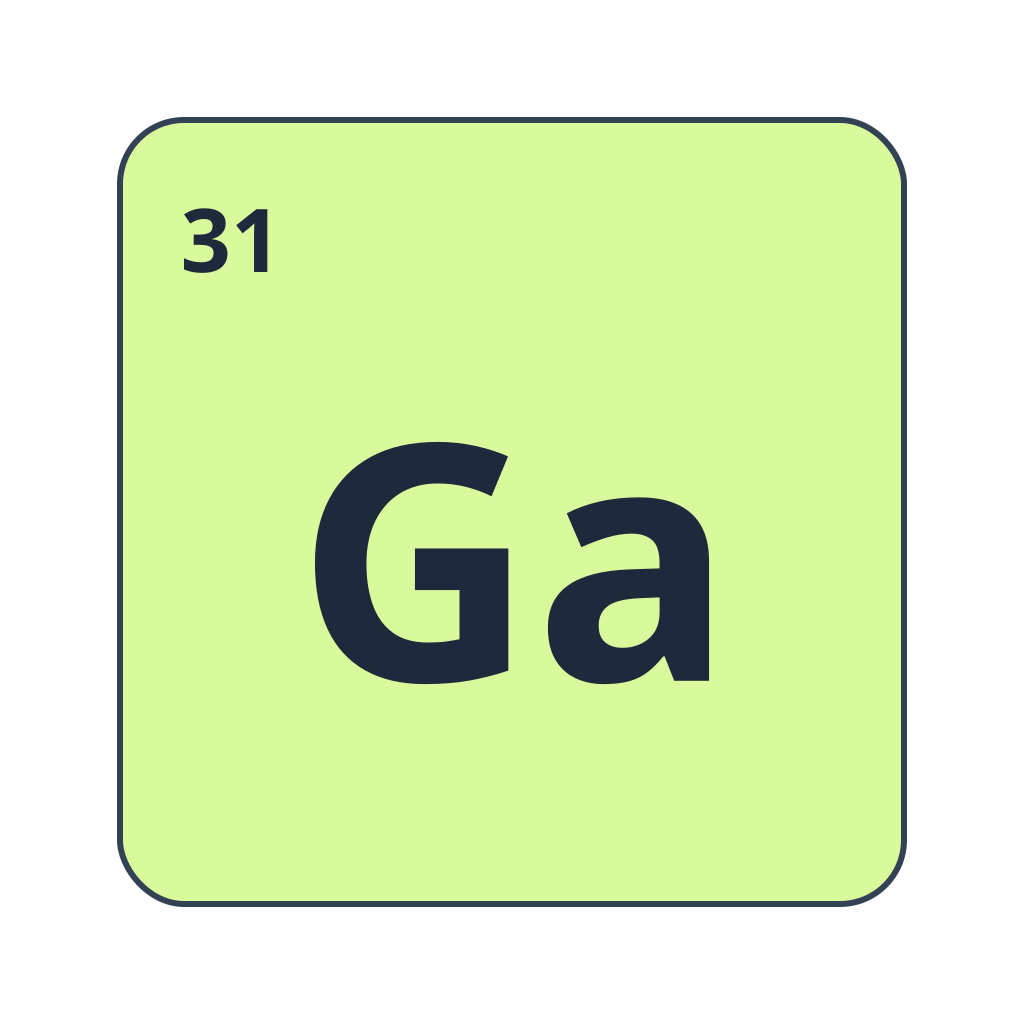
gallium
Type the displayed name or a registered alternative to advance automatically.
You typed every name
Set complete!
New best time!
31–60 name list
- gallium
- germanium
- arsenic
- selenium
- bromine
- krypton
- rubidium
- strontium
- yttrium
- zirconium
- niobium
- molybdenum
- technetium
- ruthenium
- rhodium
- palladium
- silver
- cadmium
- indium
- tin
- antimony
- tellurium
- iodine
- xenon
- caesium
- barium
- lanthanum
- cerium
- praseodymium
- neodymium
Follow 30 names in elements 31–60, from gallium to neodymium, in the source’s fixed order. Read examples such as bromine beside their pictures and practice registered alternatives as well as the full displayed labels. English displays aluminium, sulfur and caesium, with registered alternatives such as aluminum, sulphur and cesium. In Korean, Na displays sodyum and also accepts nateuryum; these conventional names are not described as obsolete in every classroom. Compare Co with C, I with In, and Rf with Rg using both the second letter and number. Chinese simplified and traditional names and readings may differ. Ambiguous pinyin within a set uses atomic-number suffixes such as lü13 and lü17. Those digits are separators, not tones; pinyin remains usable if a rare character lacks a font glyph. Names were checked on 2026-10-31 against the IUPAC 2022-05-04 table and the Korean Chemical Society table. Registered conventional Korean names also work. Family colors are project choices, not claims about properties. Digits after ambiguous Chinese pinyin are atomic-number separators. The first nonempty input for gallium starts the timer. A matching answer advances without Enter, so read longer labels such as bromine completely before continuing. You can edit unfinished text directly. Enter on an incorrect nonempty answer adds one error and clears that attempt; empty Enter and Enter during input-method composition do not add errors. After the set’s final label, such as neodymium, review time, keystrokes per minute and errors, then retry the same sequence. Best times stay in this browser, separated by topic, set and language.
Names were checked on 2026-10-31 against the IUPAC 2022-05-04 table and the Korean Chemical Society table. Registered conventional Korean names also work. Family colors are project choices, not claims about properties. Digits after ambiguous Chinese pinyin are atomic-number separators.
Image sources and licenses
Element cards: this project, CC BY 4.0. Number and symbol outlines: The Noto Project Authors, SIL OFL 1.1.