
Learn names through pictures
Element name typing
Look at the pictures and type the names of elements.
Explore 118 names, one at a time.
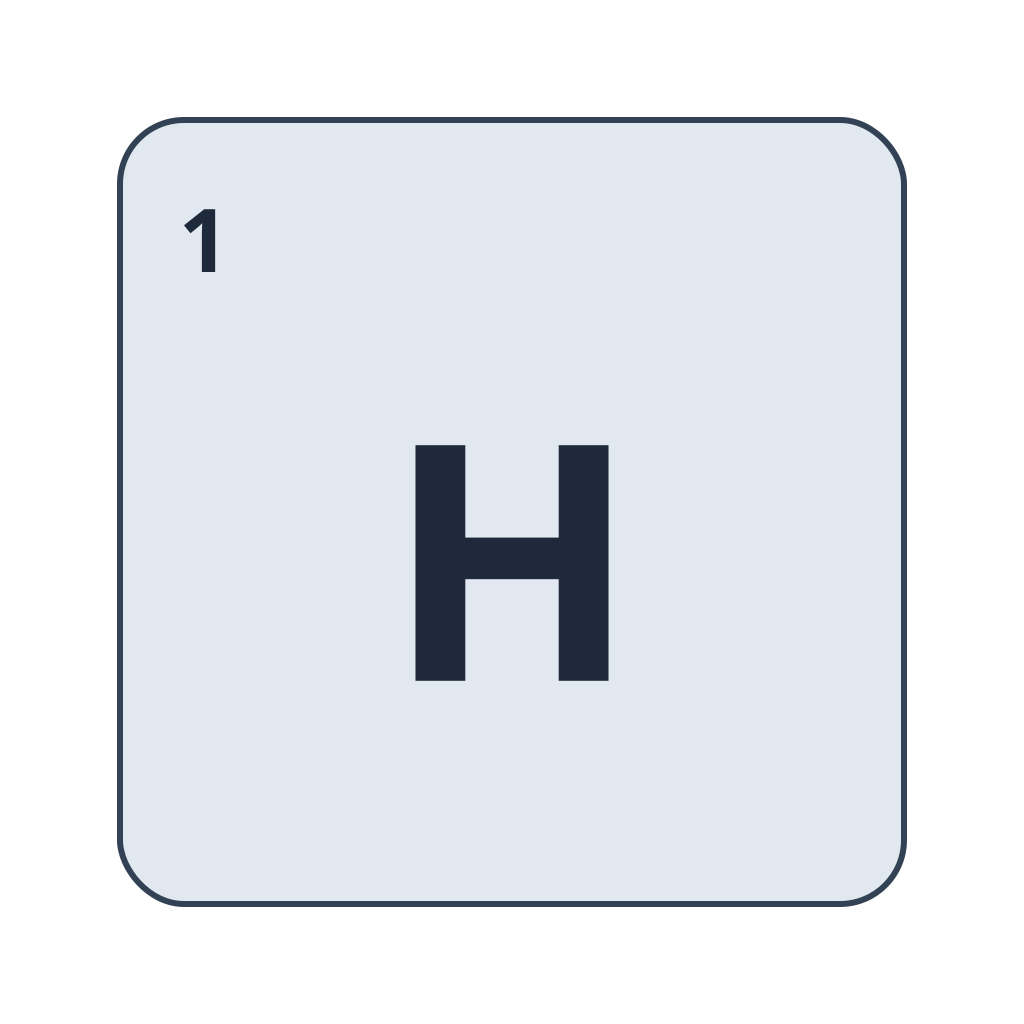 1–3030 names · Read and type the name
30
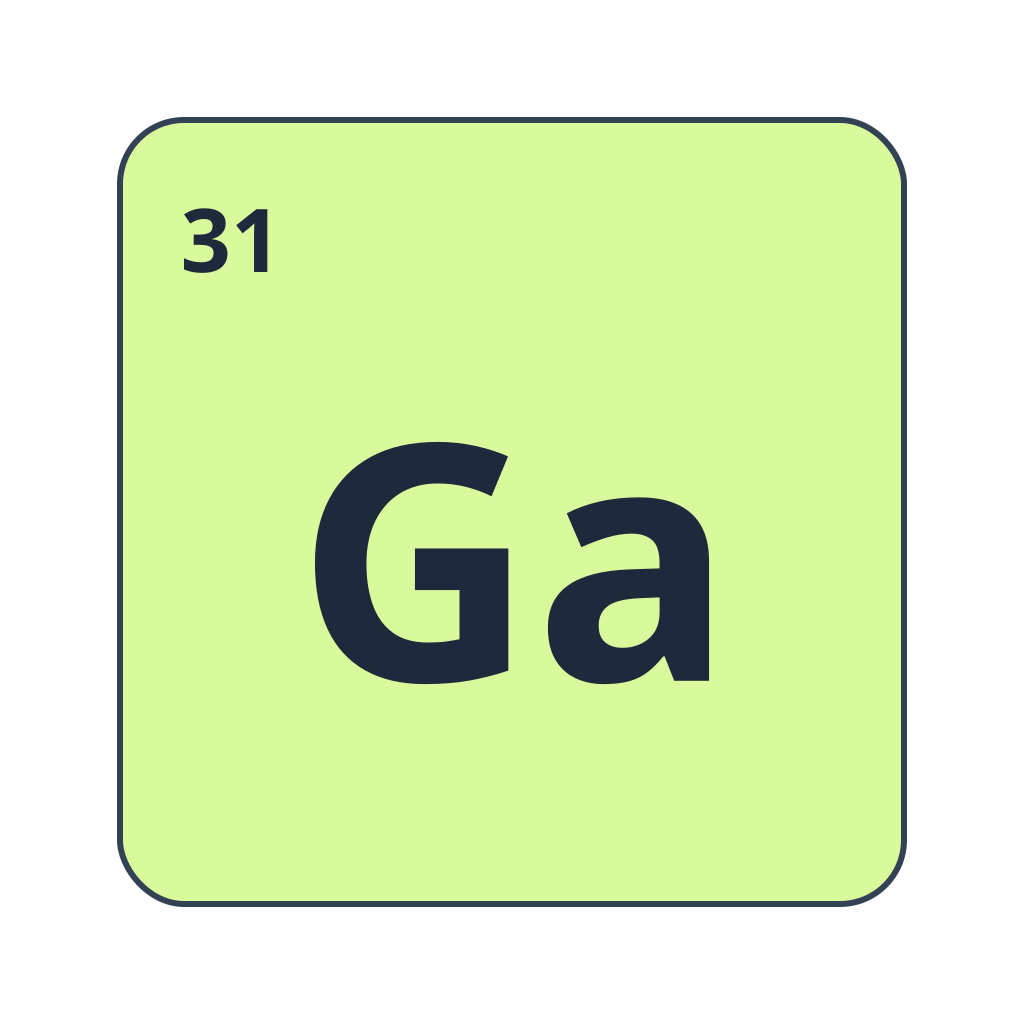 31–6030 names · Read and type the name
30
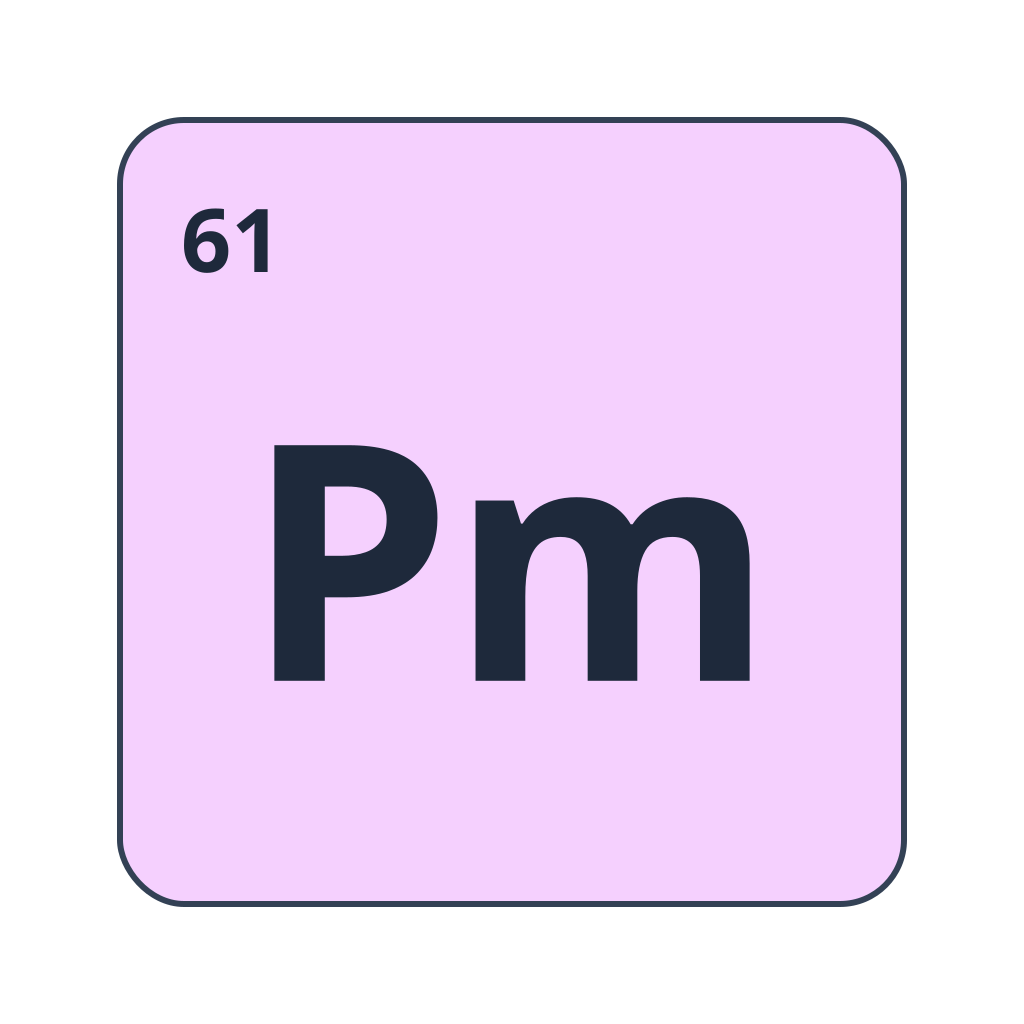 61–9030 names · Read and type the name
30
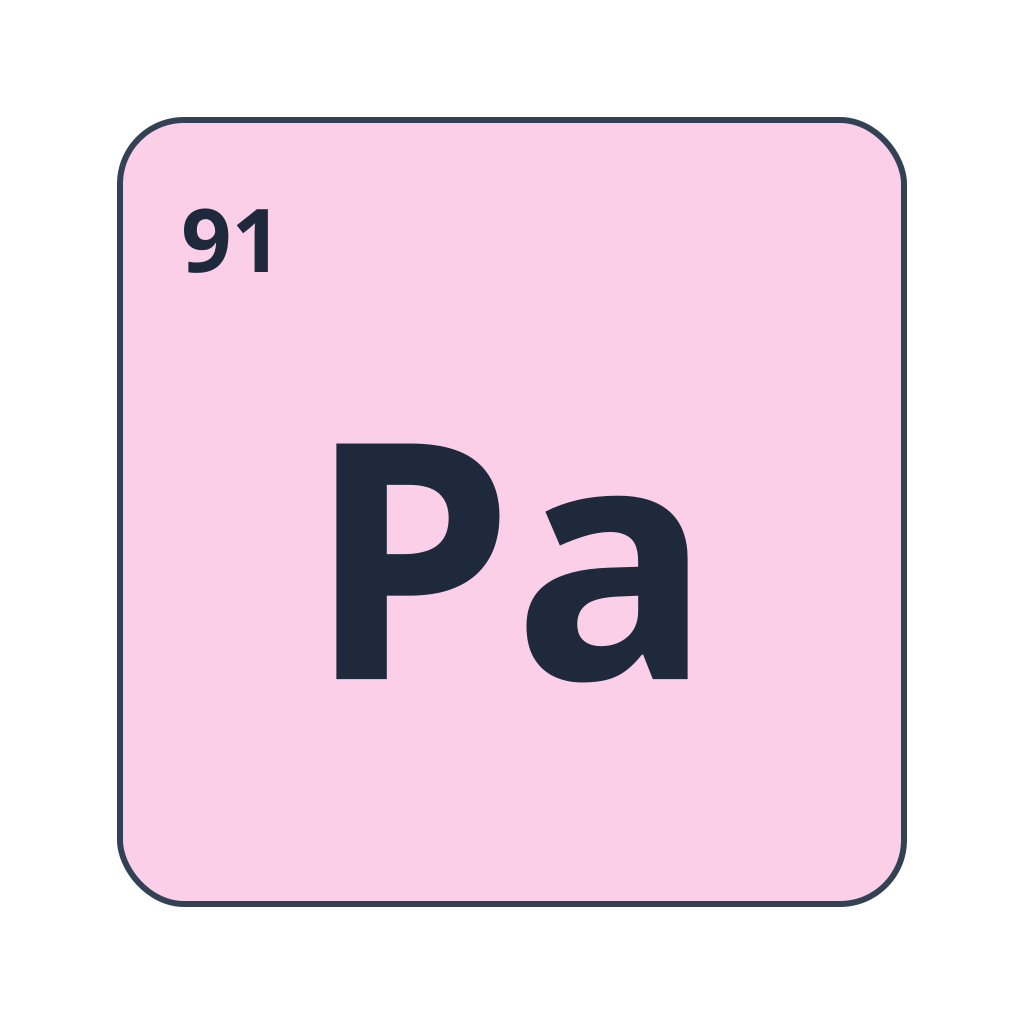 91–11828 names · Read and type the name
28
About Element name typing
Element cards show an atomic number, a chemical symbol and a family color, with the element name displayed separately beside the card. Read Hydrogen and Helium alongside H and He to notice how a second letter changes the symbol. The answer is the name in the selected language. The activity covers 118 element names rather than atomic masses, isotopes, compounds or a test of typing symbols alone.
Four sets follow atomic-number order: 1–30, 31–60, 61–90 and 91–118. The last set has 28 entries and the full collection runs from hydrogen to oganesson. Names were checked on 2026-10-31; numbers, symbols and English names follow the IUPAC table dated 2022-05-04, while Korean display names follow the Korean Chemical Society table. Family colors are this project’s own palette and indicate grouping rather than measured physical properties.
English displays aluminium, sulfur and caesium, with registered alternatives such as aluminum, sulphur and cesium. In Korean, Na displays sodyum and also accepts nateuryum; these conventional names are not described as obsolete in every classroom. Compare Co with C, I with In, and Rf with Rg using both the second letter and number. Chinese simplified and traditional names and readings may differ. Ambiguous pinyin within a set uses atomic-number suffixes such as lü13 and lü17. Those digits are separators, not tones; pinyin remains usable if a rare character lacks a font glyph.
Displayed elements names include hydrogen · helium · lithium · beryllium · boron · carbon · nitrogen · oxygen · fluorine · neon · sodium · magnesium · aluminium · silicon · phosphorus · sulfur · chlorine · argon · potassium · calcium · scandium · titanium · vanadium · chromium · manganese · iron · cobalt · nickel · copper · zinc · gallium · germanium · arsenic · selenium · bromine · krypton · rubidium · strontium · yttrium · zirconium · niobium · molybdenum · technetium · ruthenium · rhodium · palladium · silver · cadmium · indium · tin · antimony · tellurium · iodine · xenon · caesium · barium · lanthanum · cerium · praseodymium · neodymium · promethium · samarium · europium · gadolinium · terbium · dysprosium · holmium · erbium · thulium · ytterbium · lutetium · hafnium · tantalum · tungsten · rhenium · osmium · iridium · platinum · gold · mercury · thallium · lead · bismuth · polonium · astatine · radon · francium · radium · actinium · thorium · protactinium · uranium · neptunium · plutonium · americium · curium · berkelium · californium · einsteinium · fermium · mendelevium · nobelium · lawrencium · rutherfordium · dubnium · seaborgium · bohrium · hassium · meitnerium · darmstadtium · roentgenium · copernicium · nihonium · flerovium · moscovium · livermorium · tennessine · oganesson. Only the current-language label and alternatives registered for that entry are answers; the game does not infer arbitrary translations or synonyms. Japanese hiragana and the displayed Chinese toneless pinyin are also accepted. Case, spaces and supported punctuation are normalized. Latin accents may be omitted and German ß may be typed as ss, while meaningful name differences and numbers remain distinct.
The first nonempty input for hydrogen starts the timer. A matching answer advances without Enter, so read longer labels such as boron completely before continuing. You can edit unfinished text directly. Enter on an incorrect nonempty answer adds one error and clears that attempt; empty Enter and Enter during input-method composition do not add errors. After the set’s final label, such as oganesson, review time, keystrokes per minute and errors, then retry the same sequence. Best times stay in this browser, separated by topic, set and language.
How to play
- Choose a elements set and read the first picture together with its visible label, such as hydrogen.
- Copy a complete label such as boron, or use an alternative registered for that entry.
- A matching elements name advances automatically. Read the next illustration and name before typing again.
- Edit unfinished text for hydrogen directly; Enter on an incorrect nonempty attempt adds one error and clears the field.
- Reach the final entry, such as oganesson, review the statistics and retry the same fixed sequence.
Who is it for?
- Beginners who want a visible label such as hydrogen beside a elements picture.
- Readers practicing complete spellings and longer labels such as boron at their own pace.
- Classes or study partners dividing 118 elements names into short fixed-order typing sessions.
- People who want to finish at oganesson and compare their own time and errors on a retry.
Practice sets
- 1–30 · 30 names
Follow 30 names in elements 1–30, from hydrogen to zinc, in the source’s fixed order. Read examples such as boron beside their pictures and practice registered alternatives as well as the full displayed labels.
- 31–60 · 30 names
Follow 30 names in elements 31–60, from gallium to neodymium, in the source’s fixed order. Read examples such as bromine beside their pictures and practice registered alternatives as well as the full displayed labels.
- 61–90 · 30 names
Follow 30 names in elements 61–90, from promethium to thorium, in the source’s fixed order. Read examples such as terbium beside their pictures and practice registered alternatives as well as the full displayed labels.
- 91–118 · 28 names
Follow 28 names in elements 91–118, from protactinium to oganesson, in the source’s fixed order. Read examples such as americium beside their pictures and practice registered alternatives as well as the full displayed labels.
Names and spelling
English displays aluminium, sulfur and caesium, with registered alternatives such as aluminum, sulphur and cesium. In Korean, Na displays sodyum and also accepts nateuryum; these conventional names are not described as obsolete in every classroom. Compare Co with C, I with In, and Rf with Rg using both the second letter and number. Chinese simplified and traditional names and readings may differ. Ambiguous pinyin within a set uses atomic-number suffixes such as lü13 and lü17. Those digits are separators, not tones; pinyin remains usable if a rare character lacks a font glyph.
Displayed elements names include hydrogen · helium · lithium · beryllium · boron · carbon · nitrogen · oxygen · fluorine · neon · sodium · magnesium · aluminium · silicon · phosphorus · sulfur · chlorine · argon · potassium · calcium · scandium · titanium · vanadium · chromium · manganese · iron · cobalt · nickel · copper · zinc · gallium · germanium · arsenic · selenium · bromine · krypton · rubidium · strontium · yttrium · zirconium · niobium · molybdenum · technetium · ruthenium · rhodium · palladium · silver · cadmium · indium · tin · antimony · tellurium · iodine · xenon · caesium · barium · lanthanum · cerium · praseodymium · neodymium · promethium · samarium · europium · gadolinium · terbium · dysprosium · holmium · erbium · thulium · ytterbium · lutetium · hafnium · tantalum · tungsten · rhenium · osmium · iridium · platinum · gold · mercury · thallium · lead · bismuth · polonium · astatine · radon · francium · radium · actinium · thorium · protactinium · uranium · neptunium · plutonium · americium · curium · berkelium · californium · einsteinium · fermium · mendelevium · nobelium · lawrencium · rutherfordium · dubnium · seaborgium · bohrium · hassium · meitnerium · darmstadtium · roentgenium · copernicium · nihonium · flerovium · moscovium · livermorium · tennessine · oganesson. Only the current-language label and alternatives registered for that entry are answers; the game does not infer arbitrary translations or synonyms. Japanese hiragana and the displayed Chinese toneless pinyin are also accepted. Case, spaces and supported punctuation are normalized. Latin accents may be omitted and German ß may be typed as ss, while meaningful name differences and numbers remain distinct.
Names were checked on 2026-10-31 against the IUPAC 2022-05-04 table and the Korean Chemical Society table. Registered conventional Korean names also work. Family colors are project choices, not claims about properties. Digits after ambiguous Chinese pinyin are atomic-number separators.
Practice tips
- English displays aluminium, sulfur and caesium, with registered alternatives such as aluminum, sulphur and cesium.
- In Korean, Na displays sodyum and also accepts nateuryum; these conventional names are not described as obsolete in every classroom.
- Compare Co with C, I with In, and Rf with Rg using both the second letter and number.
- Chinese simplified and traditional names and readings may differ.
- Copy a complete label such as boron, or use an alternative registered for that entry.
- Reach the final entry, such as oganesson, review the statistics and retry the same fixed sequence.
Frequently asked questions
Which elements names can I practice?
Element cards show an atomic number, a chemical symbol and a family color, with the element name displayed separately beside the card. Read Hydrogen and Helium alongside H and He to notice how a second letter changes the symbol. The answer is the name in the selected language. The activity covers 118 element names rather than atomic masses, isotopes, compounds or a test of typing symbols alone.
What does the range from hydrogen to oganesson cover?
Four sets follow atomic-number order: 1–30, 31–60, 61–90 and 91–118. The last set has 28 entries and the full collection runs from hydrogen to oganesson. Names were checked on 2026-10-31; numbers, symbols and English names follow the IUPAC table dated 2022-05-04, while Korean display names follow the Korean Chemical Society table. Family colors are this project’s own palette and indicate grouping rather than measured physical properties.
How can I compare boron with similar names?
English displays aluminium, sulfur and caesium, with registered alternatives such as aluminum, sulphur and cesium. In Korean, Na displays sodyum and also accepts nateuryum; these conventional names are not described as obsolete in every classroom. Compare Co with C, I with In, and Rf with Rg using both the second letter and number. Chinese simplified and traditional names and readings may differ. Ambiguous pinyin within a set uses atomic-number suffixes such as lü13 and lü17. Those digits are separators, not tones; pinyin remains usable if a rare character lacks a font glyph.
What are the limits of the elements illustrations?
Names were checked on 2026-10-31 against the IUPAC 2022-05-04 table and the Korean Chemical Society table. Registered conventional Korean names also work. Family colors are project choices, not claims about properties. Digits after ambiguous Chinese pinyin are atomic-number separators.
Which spellings and readings work for elements?
Displayed elements names include hydrogen · helium · lithium · beryllium · boron · carbon · nitrogen · oxygen · fluorine · neon · sodium · magnesium · aluminium · silicon · phosphorus · sulfur · chlorine · argon · potassium · calcium · scandium · titanium · vanadium · chromium · manganese · iron · cobalt · nickel · copper · zinc · gallium · germanium · arsenic · selenium · bromine · krypton · rubidium · strontium · yttrium · zirconium · niobium · molybdenum · technetium · ruthenium · rhodium · palladium · silver · cadmium · indium · tin · antimony · tellurium · iodine · xenon · caesium · barium · lanthanum · cerium · praseodymium · neodymium · promethium · samarium · europium · gadolinium · terbium · dysprosium · holmium · erbium · thulium · ytterbium · lutetium · hafnium · tantalum · tungsten · rhenium · osmium · iridium · platinum · gold · mercury · thallium · lead · bismuth · polonium · astatine · radon · francium · radium · actinium · thorium · protactinium · uranium · neptunium · plutonium · americium · curium · berkelium · californium · einsteinium · fermium · mendelevium · nobelium · lawrencium · rutherfordium · dubnium · seaborgium · bohrium · hassium · meitnerium · darmstadtium · roentgenium · copernicium · nihonium · flerovium · moscovium · livermorium · tennessine · oganesson. Only the current-language label and alternatives registered for that entry are answers; the game does not infer arbitrary translations or synonyms. Japanese hiragana and the displayed Chinese toneless pinyin are also accepted. Case, spaces and supported punctuation are normalized. Latin accents may be omitted and German ß may be typed as ss, while meaningful name differences and numbers remain distinct.
Where is my result after oganesson stored?
The first nonempty input for hydrogen starts the timer. A matching answer advances without Enter, so read longer labels such as boron completely before continuing. You can edit unfinished text directly. Enter on an incorrect nonempty answer adds one error and clears that attempt; empty Enter and Enter during input-method composition do not add errors. After the set’s final label, such as oganesson, review time, keystrokes per minute and errors, then retry the same sequence. Best times stay in this browser, separated by topic, set and language.
Names were checked on 2026-10-31 against the IUPAC 2022-05-04 table and the Korean Chemical Society table. Registered conventional Korean names also work. Family colors are project choices, not claims about properties. Digits after ambiguous Chinese pinyin are atomic-number separators.
Image sources and licenses
Element cards: this project, CC BY 4.0. Number and symbol outlines: The Noto Project Authors, SIL OFL 1.1.