
Learn names through pictures
Computer parts name typing
Look at the pictures and type the names of computer parts.
Explore 12 names, one at a time.
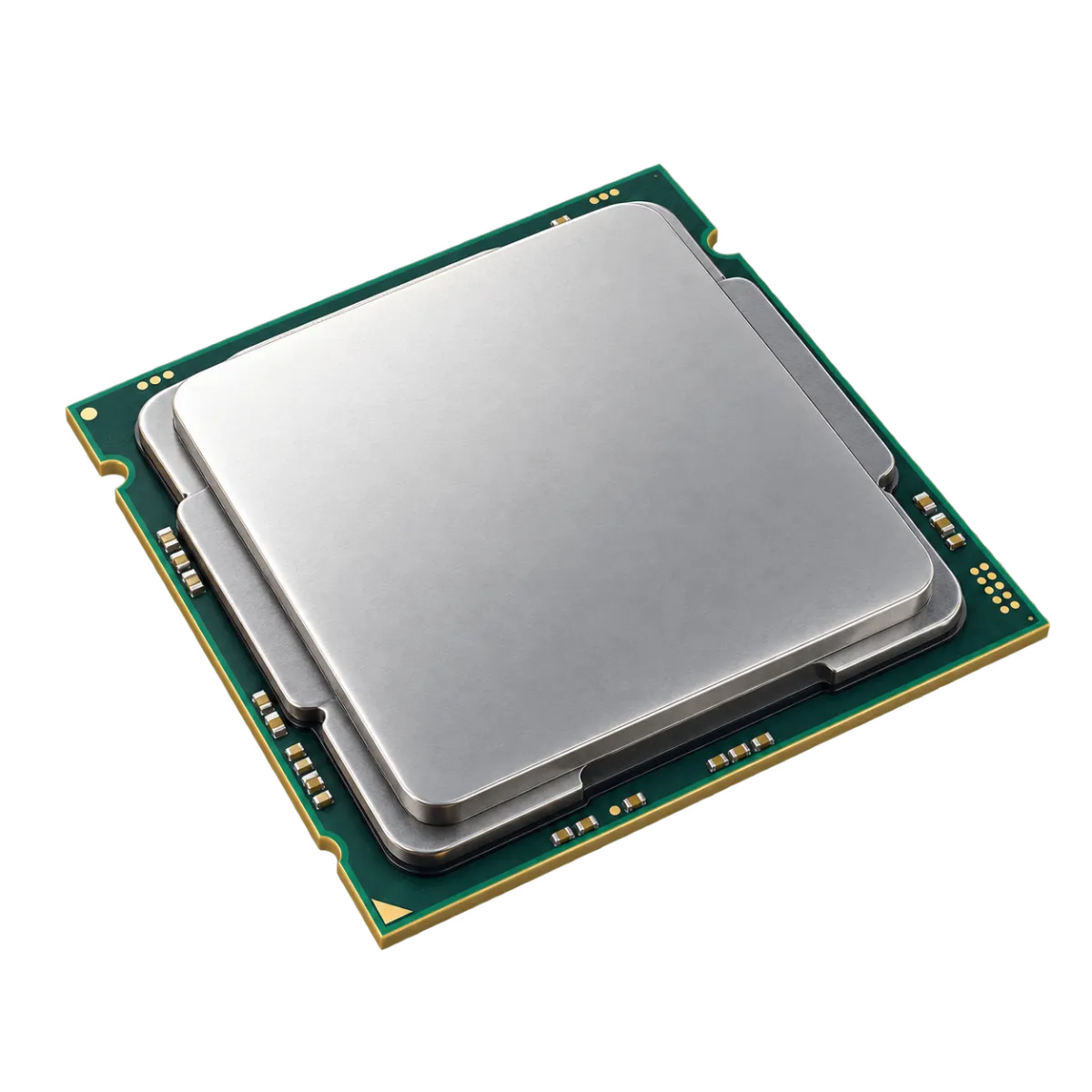
About Computer parts name typing
Computer parts name typing brings common desktop component names into a short picture-based practice round. CPU may be immediately familiar while Thermal paste is a longer word to copy, but neither requires you to identify hardware from an unlabelled image. The current English name remains on screen. Look at the representative part, read the label and enter it as one complete answer before moving on.
There are 12 entries from CPU to Thermal paste. The list includes a motherboard, memory, graphics hardware, storage, power, cooling, a case and an optical drive. It introduces vocabulary often found in computer specifications and assembly discussions, while staying within a small fixed set. It does not cover every peripheral, connector or modern hardware category.
Abbreviations and expanded names are useful spelling contrasts. CPU accepts Central processing unit and Processor; Motherboard also accepts Mainboard. RAM module has registered forms such as RAM, memory and DIMM. The two storage entries remain separate even when their familiar abbreviations are short. Lowercase letters are fine, and spaces are ignored, but the letters and their order must still identify the current part.
Representative illustrations do not establish socket layouts, power requirements, dimensions or product compatibility. Do not infer that two real components fit together because their pictures appear in the same practice set. Use the round to become comfortable reading parts vocabulary, then consult the relevant product documentation for an actual build. The game supplies names, not assembly or fault-finding instructions.
The first nonempty input starts the timer. A matching display name or registered English alternative advances automatically, so Enter is unnecessary for a correct answer. You can edit an unfinished word directly. Pressing Enter on an incorrect nonempty answer counts one error and clears the field; it does not count every deleted letter. After finishing, review elapsed time, keystrokes per minute and errors, then retry or choose another set. Best times stay in this browser separately for each topic, set and language.
How to play
- Choose a computer parts set and check its scope and number of entries. Read the first visible English label before typing; the picture is there as context, so no advance memorization is needed.
- Type the displayed name or an English alternative registered for that entry. Read long labels in chunks while entering a single complete answer. Case, spaces and the supported punctuation variations are ignored during matching.
- When the answer matches, the next entry appears automatically without Enter. Check the new picture and label before continuing so the last letters of one word do not become the beginning of the next.
- Correct an unfinished answer directly in the field. Enter on a wrong nonempty answer adds one error and clears the input, leaving the same entry available to try again. Empty Enter does not count as an error.
- Finish the set to see elapsed time, keystrokes per minute and errors. Retry starts a new round; set selection lets you change the range. The best completion time is stored in the current browser for this topic, set and language.
Who is it for?
- Learners who want to read English computer parts vocabulary with a picture and a visible name rather than an unlabelled identification quiz.
- Readers who encounter terms such as CPU and RAM module in introductory material and would like to become more comfortable writing them.
- People looking for a short, fixed-order typing activity that can be repeated at their own pace, with time and error statistics at the end.
- Families or study partners who want to compare the printed labels and registered alternatives together, while keeping the limitations of the illustrations in view.
Practice sets
- Basic 12 · 12 names
12 selected computer parts names, from CPU to Thermal paste. Read the complete labels beside the representative pictures and compare names such as Motherboard and RAM module.
Names and spelling
Abbreviations and expanded names are useful spelling contrasts. CPU accepts Central processing unit and Processor; Motherboard also accepts Mainboard. RAM module has registered forms such as RAM, memory and DIMM. The two storage entries remain separate even when their familiar abbreviations are short. Lowercase letters are fine, and spaces are ignored, but the letters and their order must still identify the current part.
Registered English alternatives provide specific comparisons within this list: CPU also accepts central processing unit; Motherboard also accepts mainboard; RAM module also accepts RAM; Graphics card also accepts video card. These alternatives apply to the individual entries shown here. The game does not translate an arbitrary answer, infer every synonym or accept an entire category in place of a specific name. If an alternative does not work, copy the visible label in full.
English answers are compared without letter case, spaces and the supported punctuation differences. You can also enter Latin letters without accent marks, use full-width forms, or type ss in place of ß. Those conveniences do not change the order of words or make different numbers equivalent. A supporting reading line is not automatically an accepted alternative: the displayed name and the registered answer list determine what passes.
Practice tips
- Read abbreviations letter by letter.
- Keep the two storage names separate.
- Distinguish CPU cooling from case ventilation.
- Try an expanded registered name after a round with abbreviations.
- Do not add manufacturer names or model numbers to an answer.
- Slow down for the final material name after the short hardware abbreviations.
Frequently asked questions
Do I need to recognize the computer parts before playing?
No. The current English name is displayed with every picture, so you can read and copy it. Computer parts name typing is practice in writing visible labels, and does not require you to guess an answer from an unlabelled image. Start slowly and use the name list below the game to review the vocabulary.
How many names are included and which set should I choose?
There are 12 entries from CPU to Thermal paste. The list includes a motherboard, memory, graphics hardware, storage, power, cooling, a case and an optical drive. It introduces vocabulary often found in computer specifications and assembly discussions, while staying within a small fixed set. It does not cover every peripheral, connector or modern hardware category.
Which English alternatives are accepted?
CPU also accepts central processing unit; Motherboard also accepts mainboard; RAM module also accepts RAM; Graphics card also accepts video card. Only the alternatives registered for the current item are accepted. They do not enable automatic translation or every possible synonym. The displayed name is always a safe way to continue, even if you are unsure which other form is registered.
Do capitalization, spaces and spelling marks have to match exactly?
Letter case and spaces are ignored, along with the supported punctuation variations. Latin accent marks and full-width forms are normalized in this language, and ß can be entered as ss. The meaningful letters, number and order still need to match a registered answer. Read the whole current label rather than relying on just one shared word.
What can I learn from the pictures, and what are their limits?
Representative illustrations do not establish socket layouts, power requirements, dimensions or product compatibility. Do not infer that two real components fit together because their pictures appear in the same practice set. Use the round to become comfortable reading parts vocabulary, then consult the relevant product documentation for an actual build. The game supplies names, not assembly or fault-finding instructions.
How do the timer, errors and best times work?
The timer starts at the first nonempty input and stops when the set is finished. An error is counted when Enter is pressed on an incorrect nonempty answer, rather than for every deletion or correction. The best completion time is saved in this browser separately by topic, set and language. Retry begins a new round; using shorter registered alternatives can change the amount of typing.
These learning illustrations may differ in detail from real products or specimens.