
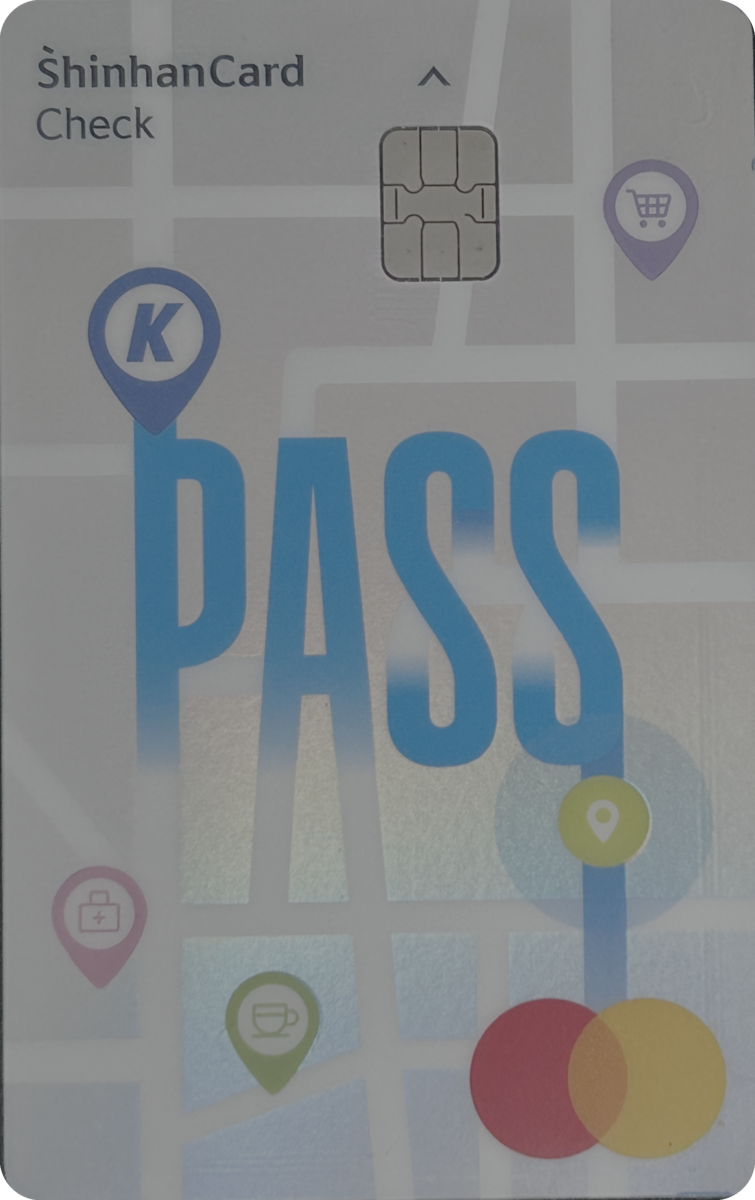
The old K-Pass-versus-Climate-Card fare table is no longer enough. Since September 2026, Climate Pass is described as a Seoul-specific program on top of Everybody Card, so start with where you live, where you travel, how often you ride, and your category.
For frequent travel outside Seoul, start with K-Pass
K-Pass rewards a share of spending when residents of participating municipalities aged 19 or older make at least 15 transit trips a month. If commuting or study travel crosses Seoul boundaries, check participation and card-registration conditions first.
Rewards are capped at 60 trips a month and two a day, and rates vary by category. More taps do not automatically mean proportionally more rewards.
Seoul residents should check the Climate Pass add-ons
Climate Pass combines Everybody Card with Seoul-specific support for Seoul residents aged 19 or older. After Seoul residence verification, eligible users can check support such as the expanded youth age range.
Do not apply the former unlimited Climate Card conditions to the new program. Review eligibility, caps, and trip history in the current K-Pass account.
Compare actual cost and travel range, not trip count alone
Transfers, trips beyond Seoul, your category, and monthly spending all affect the outcome. Start with a month of actual trip history and compare it with the official benefit screens.
Rules can change; this guide is a verification order, not a final quote before payment.
Frequently Asked Questions
Do I need to apply for both K-Pass and Climate Pass?
Seoul says existing K-Pass or Everybody Card users receive Seoul-specific service after K-Pass membership and Seoul residence verification. Verify your own card and account in the official service.
Is it the same as the former unlimited Climate Card?
No. Seoul announced the end of the former 30-day operation and the transition to Climate Pass from September 2026.
Source and Use Notes
This page summarizes published data for planning. Actual station conditions can differ, so verify them on site.